Why Players Sometimes Prefer Chance Over Responsibility
15 August 2026 | 78
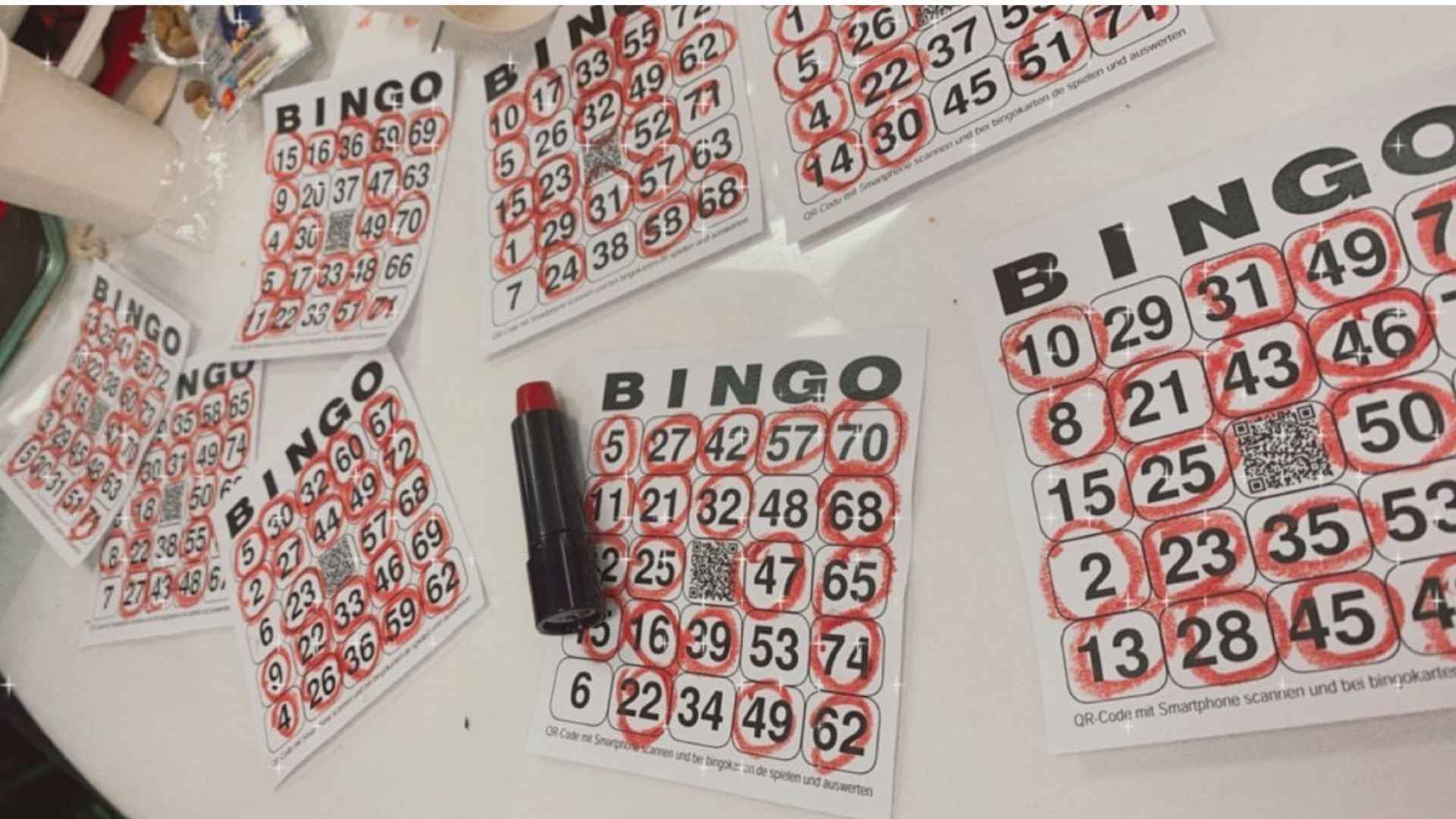
Modern gaming experiences offer a wide spectrum of engagement, ranging from intense tactical challenges to pure games of luck. While strategic titles require constant calculation and forward planning, many participants actively seek out elements driven entirely by unpredictable outcomes. This shift in preference highlights a deeper cognitive desire to step away from intense decision-making during leisure hours.
The Psychology of Relief from Decision Fatigue
Everyday routines present individuals with a continuous stream of responsibilities and necessary judgments that deplete mental energy over time. When entering a recreational environment, the burden of making optimal choices can feel more like an extension of work than genuine entertainment. Choosing randomized mechanics allows the mind to enter a relaxed state where external pressures disappear entirely.
By surrendering the final outcome to pure probability, individuals find immediate liberation from the fear of making a wrong move. This psychological relief explains why completely luck-based systems remain highly attractive across multiple demographic groups. The absence of tactical pressure transforms a simple pastime into a pure source of stress relief.
Shifting the Blame Away from Personal Skill
In highly competitive environments, an unfavorable outcome often carries a sense of personal failure or inadequate preparation. When players engage with options featuring complete statistical uncertainty, the emotional impact of a loss changes dramatically. Since no amount of expertise could alter the final sequence, participants are completely spared from self-criticism or regret.
This dynamic creates a safer emotional space where people can enjoy the suspense without damaging their confidence. Many enthusiasts who look for a seamless interface choose a reliable m88 đăng nhập portal to access straightforward entertainment without complicated strategic rulebooks. This approach ensures that the entire experience remains lighthearted, authentic, and focused entirely on the thrill of the moment.
The Unique Euphoria of Unearned Success
Winning a match through meticulous planning brings satisfaction, but achieving a major victory through sheer luck triggers a unique neurological response. When an outcome is completely unexpected, the brain experiences a heightened surge of excitement that calculated victories rarely match. This unpredictable nature makes every positive result feel like a special gift from fortune itself.
The contrast between mundane reality and spontaneous luck keeps the overall experience vibrant and fascinating. Because the participant did nothing specific to earn the result, the joy feels completely unburdened by past effort. This remarkable emotional peak explains why basic mechanics continue to outlast complex structural formats in long-term popularity.
Reclaiming the Element of Playfulness
Ultimately, separating recreation from heavy accountability allows individuals to rediscover the fundamental meaning of play. When a game demands too much strategic responsibility, it loses its ability to surprise and begins to feel like a calculated assignment. Embracing pure uncertainty restores a sense of wonder that keeps the human mind naturally engaged.
Allowing chance to hold the steering wheel reminds us that entertainment does not always require optimization. By stepping back and letting randomness dictate the flow, individuals find a perfect balance against a highly structured world.