How Random Reward Mechanics Shape Player Engagement
20 August 2026 | 69
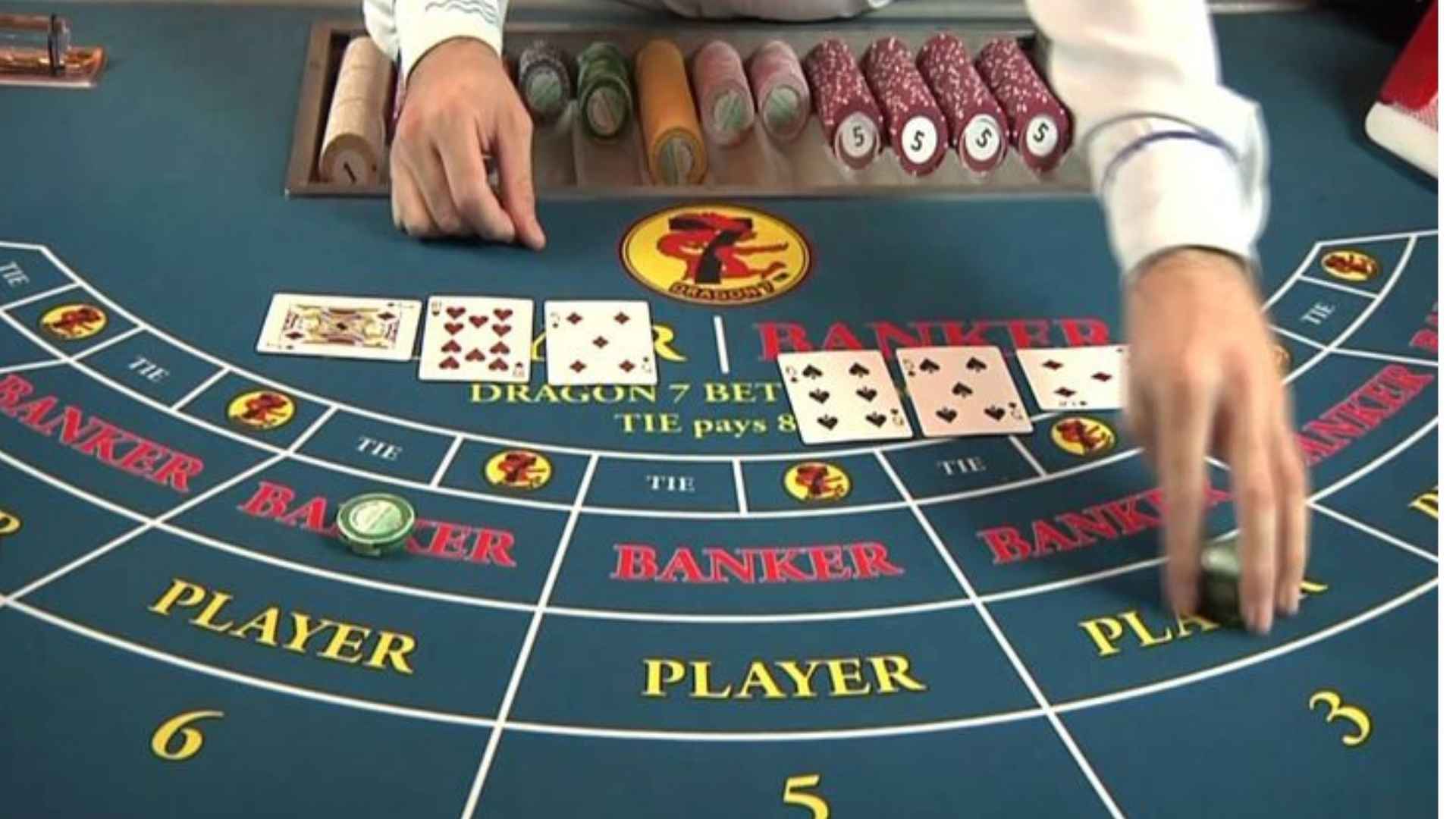
The architecture of modern game design relies heavily on systems that stimulate curiosity and sustain long-term participation. Randomized reward structures have emerged as a foundational technique across video games and interactive digital environments, shifting player motivation from simple progression toward deep emotional investment. Understanding the neurobiological underpinnings of this engagement reveals why unpredictable milestones are far more memorable than static achievements.
The Psychology of Variable Payouts
Human neurobiology is naturally calibrated to react with heightened awareness when faced with uncertain outcomes rather than guaranteed results. When a participant cannot foresee the exact prize they will receive, their attention sharpens considerably during the final moments of execution. This cognitive tension transforms a simple automated task into a deeply compelling micro-narrative.
This heightened focus is directly tied to a localized release of dopamine, a neurotransmitter closely associated with biological motivation. Interestingly, studies indicate that chemical activity spikes most intensely during the period of anticipation rather than upon receiving the actual prize. Consequently, the brief delay before an outcome is revealed delivers significant value to the overall user experience.
Balancing Gameplay Value and Progression
To retain a diverse global audience, developers must carefully calibrate the distribution frequency of their randomized prize systems. Implementing structured tiers ranging from minor consolation items to massive rare drops ensures that participants stay motivated without feeling overwhelmed by bad luck. This intentional design framework provides regular positive reinforcement while maintaining the allure of high-tier incentives.
When a platform organizes its digital challenges effectively, users perceive the journey as fair, transparent, and rewarding. For instance, players looking for dynamic entertainment options frequently utilize an optimized m88 msports login to explore structured event ecosystems that merge variable results with interactive media. This strategic combination of steady progression and sudden surprises keeps regular sessions feeling consistently fresh.
The Multi Sensory Impact of the Reveal
The visual and auditory presentation of a randomized reveal plays a critical role in shaping user behavioral habits. Fluid animations, contrasting color palettes, and thematic soundscapes are engineered to emphasize the dramatic weight of the final selection. This immediate sensory feedback amplifies the internal excitement, leaving a lasting impression regardless of the reward value.
Furthermore, allowing the audience to actively initiate the random selection process creates a powerful psychological sense of personal agency. Even though the mathematical probability remains entirely fixed, the physical act of triggering a mechanism increases emotional investment. This simple interactive loop forms the basis for long-term retention across countless digital platforms.
Future Trends in Interactive Rewards
As virtual landscape technology advances, the application of unpredictable reward mechanics is expected to become increasingly immersive. Upcoming software developments may integrate responsive algorithmic structures that tailor individual distribution models based on real-time behavior patterns. This high level of customization will likely deepen customer loyalty by turning standardized tasks into personalized digital discoveries.
Ultimately, the timeless charm of navigating unpredictable structures guarantees their ongoing relevance in modern entertainment media. By prioritizing balanced reward structures and immersive sensory design, creators ensure that the initial sense of curiosity never fades. As these interactive mechanics continue to evolve, they will remain a primary force driving player motivation globally.